Now Reading: Unlocking Capital and Markets: Gender Responsive Financing for Clean Energy in Rural Pakistan (Volume II)
-
01
Unlocking Capital and Markets: Gender Responsive Financing for Clean Energy in Rural Pakistan (Volume II)
Unlocking Capital and Markets: Gender Responsive Financing for Clean Energy in Rural Pakistan (Volume II)

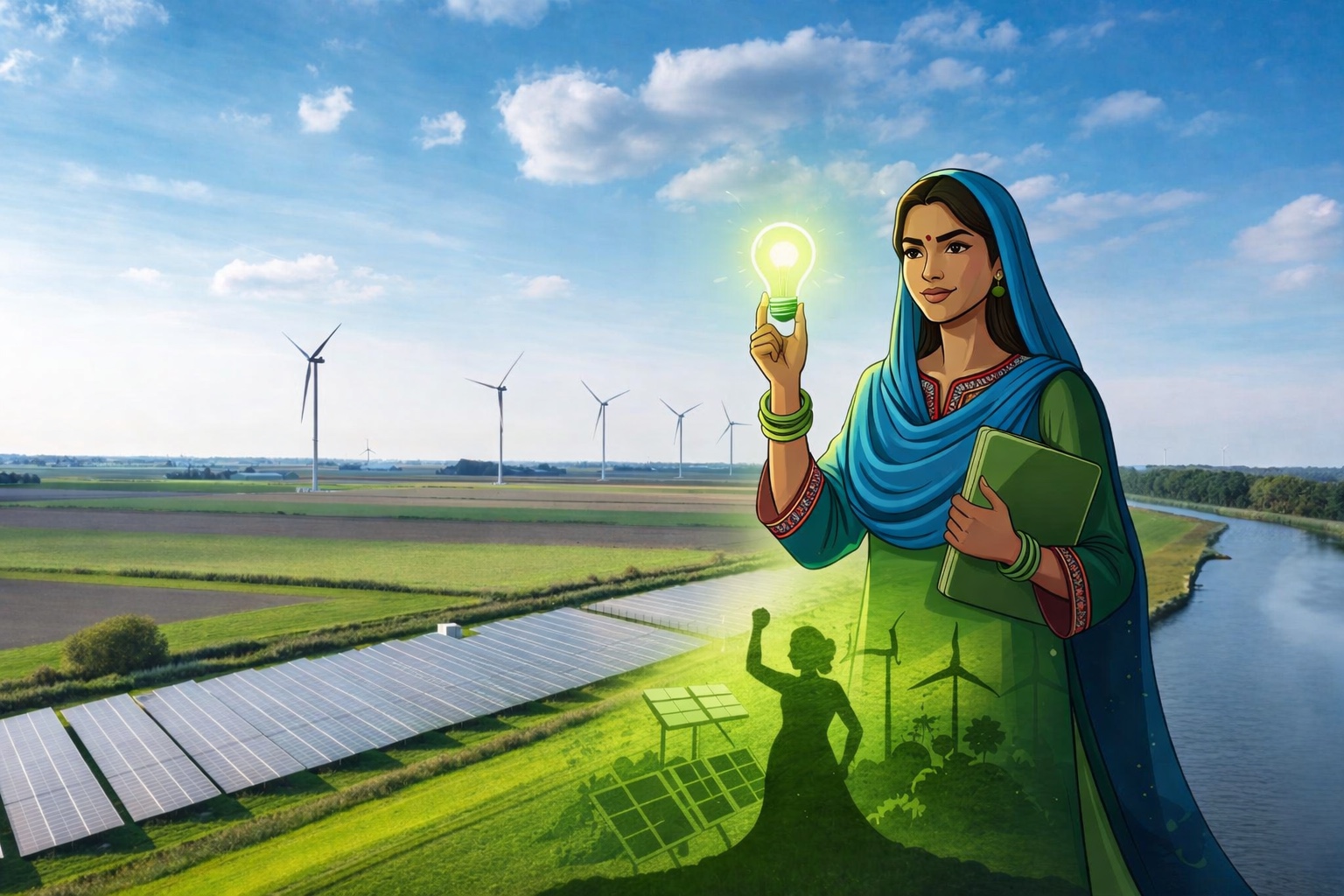
Pakistan’s clean energy transition stands at a critical juncture where technological progress must be matched by economic inclusion. Volume II of Unlocking Capital and Markets: Gender Responsive Financing for Clean Energy in Rural Pakistan advances the central argument that while expanding access to renewable energy is essential, it does not automatically translate into empowerment or sustainable development. Without intentional policy design, women who play a central role in household energy use and rural livelihoods risk remaining peripheral beneficiaries rather than active participants in the emerging clean energy economy.
Building on the analytical foundation of Volume I, this article shifts the focus from access to agency by examining how financial systems, asset ownership structures, and market access determine who captures value within rural clean energy markets. It highlights the structural barriers that prevent women from accessing capital, owning energy assets, and participating in higher-value segments of energy value chains, despite strong evidence that women-led enterprises deliver superior social and economic returns.
By drawing on global experiences and adapting them to Pakistan’s institutional and rural context, this volume presents a practical policy framework for integrating gender-responsive financing and market mechanisms into the country’s clean energy strategy. It positions women not only as users of clean energy, but as entrepreneurs, service providers, and leaders whose participation is essential for building resilient, self-sustaining rural energy markets and ensuring that Pakistan’s green transition is both just and economically transformative.