Pakistan stands at a defining moment in its governance trajectory. The convergence of rapid technological change, rising citizen expectations, fiscal constraints, and increasing economic and security pressures has exposed the
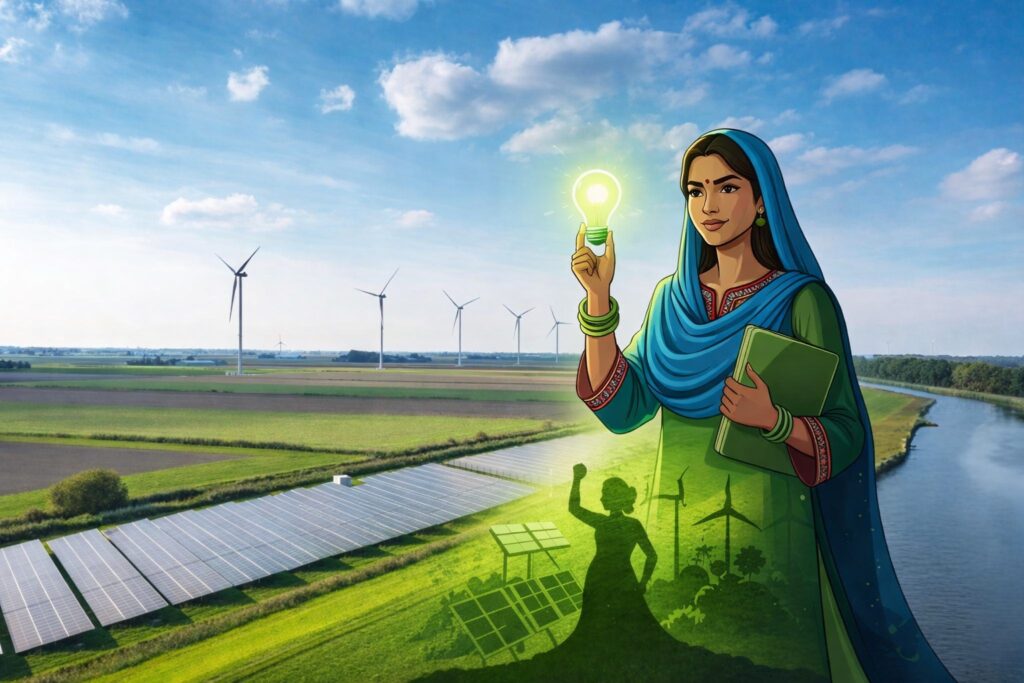
Pakistan’s clean energy transition stands at a critical juncture where technological progress must be matched by economic inclusion. Volume II of Unlocking Capital and Markets: Gender Responsive Financing for Clean
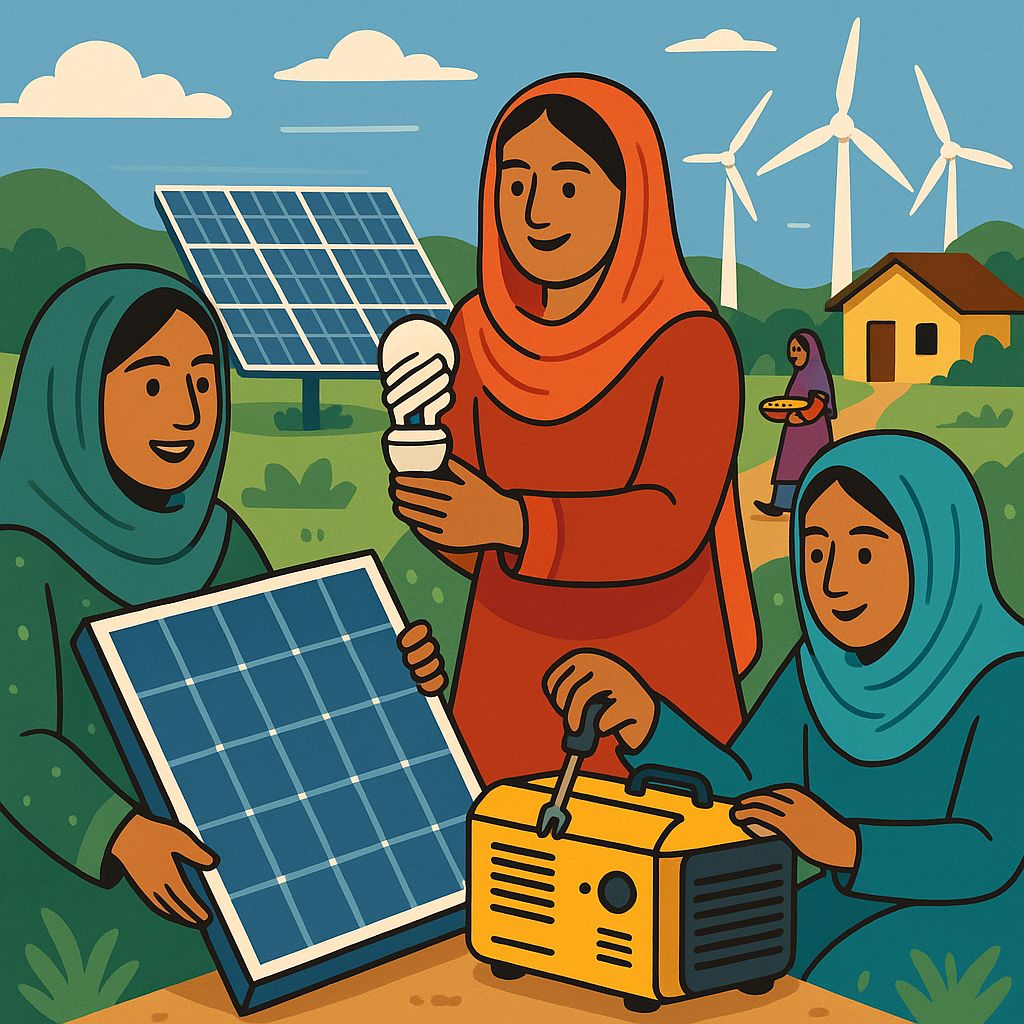
Introduction The transition to green energy in rural Pakistan is unique and presents a once in a lifetime opportunity to simultaneously tackle three big challenges faced by the country energy
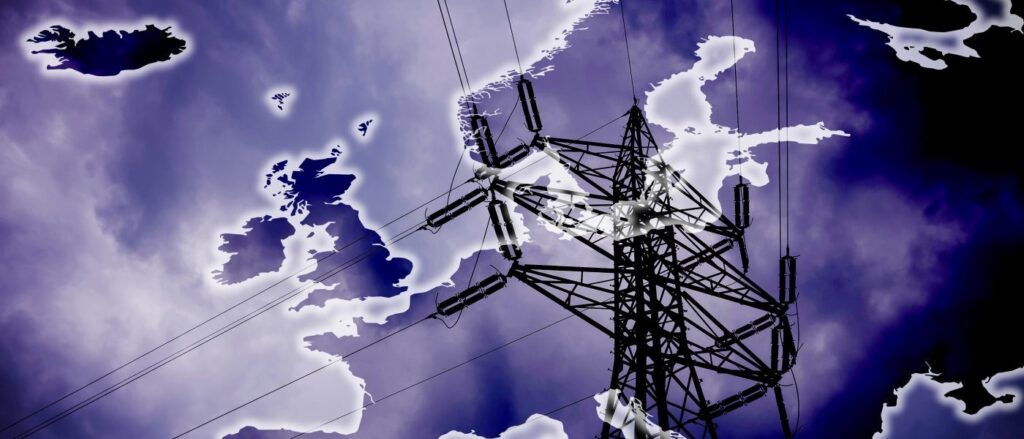
Introduction Pakistan is at the crossroads of its energy structuring. The CTBCM’s is about transforming the electricityindustry above and below, to vaporize monopolistic regulations and create a transparent customers’ sphere.
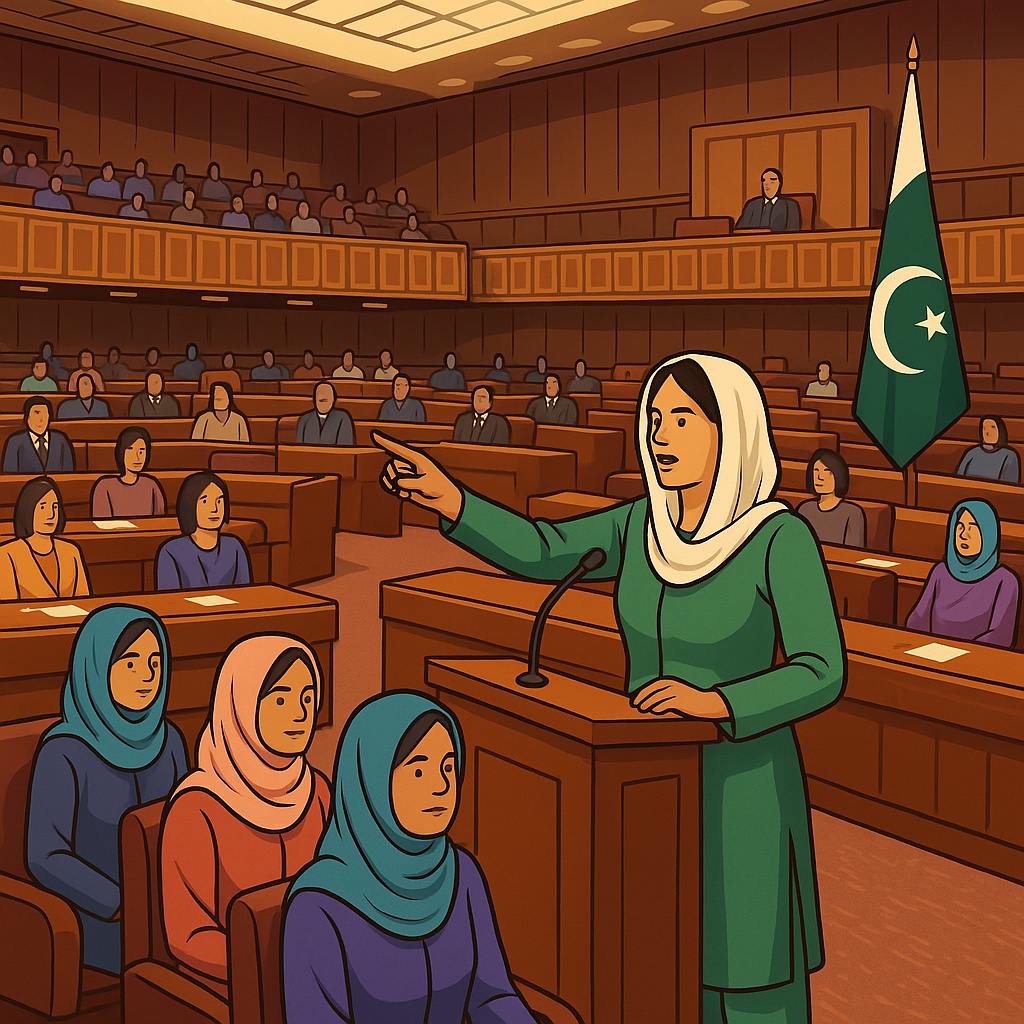
Introduction In 2002, the National Assembly in Pakistan reinstated the reserved seats of women so that decades of underrepresentation of women could be undone. The mechanism contributed to the increase
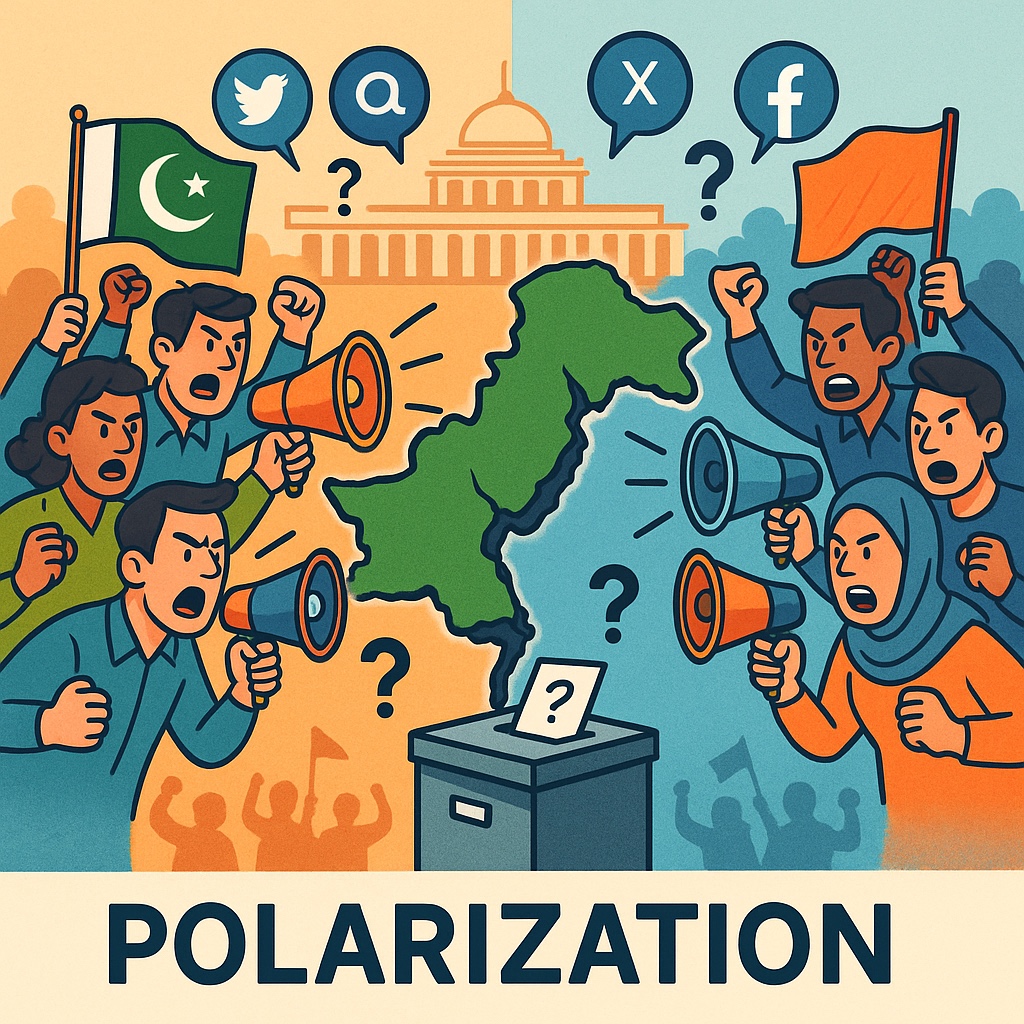
Introduction Ever since the general elections in February 2024, political polarization in Pakistan has been growing stronger. Making it more difficult to find a common ground and undermines the trust
Introduction Pakistan stands as one of the nations most vulnerable to climate change because the 2025 floods demonstrated how global warming intensifies social and economic threats. The research evaluates the
Introduction Pakistan’s industrial sector, a key contributor for the nation’s economic progress, is still largely dependent on non-renewable sources of energy and inefficient energy consumption patterns. The reliance has resulted
Pakistan’s clean energy transition stands at a critical juncture where technological progress must be matched by economic inclusion. Volume II of Unlocking Capital and Markets: Gender Responsive Financing for Clean